Deep within the mist-shrouded wilderness of the Tongass National Forest lies a destination that captures the very essence of the Alaskan spirit: Humpback Lake Cabin. Located within the breathtaking Misty Fiords National Monument Wilderness, this remote escape offers a level of serenity and natural beauty that few places on earth can match. For those looking to disconnect from the digital world and reconnect with the raw, untamed elements of nature, this cabin serves as the perfect basecamp. However, securing a reservation here is no small feat; the demand for this pristine slice of paradise is incredibly high, often requiring campers to use specialized tools to snag a spot the moment a cancellation occurs.
Campground Overview: A Secluded Haven
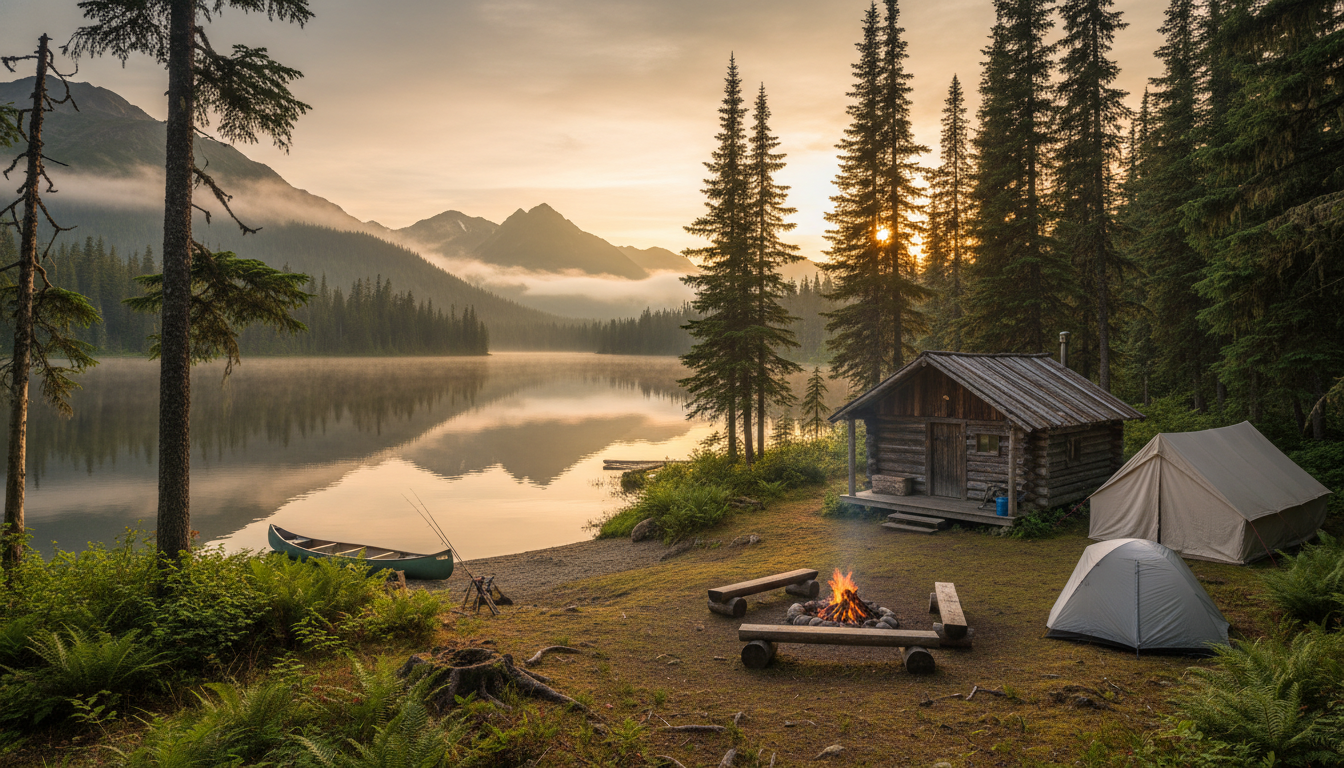
Humpback Lake Cabin is not your typical campground. There are no paved pads for RVs, no electrical hookups, and no neighbors within sight. Situated approximately 50 air miles southeast of Ketchikan, Alaska, the cabin is perched on the eastern shore of Humpback Lake. The vibe here is one of complete isolation and profound quiet. Surrounded by towering peaks and dense temperate rainforest, the cabin provides a front-row seat to the dramatic landscapes of the Tongass. Access is exclusively by floatplane, adding an element of adventure before you even step foot on the dock.
Campground Location
Address
Ketchikan/misty, Alaska
Coordinates
55.0262, -130.5446
The setting is quintessentially Alaskan. Large granite cliffs rise sharply from the water’s edge, often veiled in the low-hanging clouds that give the Misty Fiords their name. The forest is a lush tapestry of Sitka spruce, western hemlock, and cedar, draped in moss and ferns. This is a place where the sounds of the wilderness—the call of a loon, the rustle of wind through the trees, or the splash of a fish—replace the noise of modern civilization. It is an ideal spot for those who appreciate the solitude of Signal Creek Campground but desire an even more remote, backcountry experience.
Campground Facilities: Rustic Alaskan Comfort
The facility itself is a classic Pan-Abode style cedar log cabin, designed to withstand the rugged conditions of Southeast Alaska. It features a simple yet functional layout with wooden bunks (without mattresses) that can accommodate up to six people. Inside, you will find a wood-burning stove for heat, which is essential given the damp climate of the rainforest. A small table, benches, and a cooking counter provide the basic necessities for a comfortable stay. It is important to remember that this is a primitive facility; there is no running water or electricity. Campers must bring their own sleeping pads, cooking gear, and lighting.
Outside the cabin, the facilities include a basic pit toilet (outhouse) and a woodshed. The proximity to the lake is the cabin’s primary draw. A small dock or cleared area usually provides easy access for floatplanes to moor and for campers to launch a boat. Because this is a high-demand location, the Forest Service maintains the structure well, but the experience remains deeply rooted in the “leave no trace” philosophy. If you enjoy the rustic charm of the Eagle Glacier Cabin, you will find the Humpback Lake setup to be equally enchanting and well-situated.
Activities: Embracing the Wild
The activities at Humpback Lake Cabin are centered around the water and the surrounding rugged terrain. Fishing is perhaps the most popular pastime for visitors. The lake is known for its populations of Cutthroat trout and Dolly Varden, offering an exceptional experience for both fly-fishing enthusiasts and those using traditional gear. During certain times of the year, the nearby rivers and streams may also see runs of salmon, providing a world-class angling opportunity in a setting that feels entirely private.
For those who prefer to explore on foot, hiking in the area is a masterclass in wilderness navigation. While there are few formal, groomed trails directly from the cabin, the surrounding forest and ridgelines offer limitless potential for bushwalking and exploration for the experienced hiker. Navigating the dense undergrowth and steep terrain requires skill, but the rewards—sweeping mountain views and encounters with local wildlife like Sitka black-tailed deer, mountain goats, and black bears—are unparalleled. If you are looking for more established trail systems, you might consider the terrain around Windfall Lake Cabin, but for raw exploration, Humpback Lake is hard to beat.
Lake access also means that boating and kayaking are primary modes of discovery. Paddling across the glass-like surface of Humpback Lake as the morning mist lifts reveals hidden coves and waterfalls cascading down the surrounding cliffs. The silence of the lake, broken only by the dip of a paddle, creates a meditative atmosphere that is rare to find in more accessible national parks.
Amenities and Essential Information
While the amenities are sparse, they are sufficient for the prepared traveler. The cabin includes a fire ring for outdoor cooking and evening gatherings, though campers should be mindful of fire safety and wood conservation. Water must be taken from the lake or nearby streams and must be properly filtered or boiled before consumption. There is no trash service, so everything brought into the wilderness must be packed back out. It is also a bear-populated area, so proper food storage and bear-aware practices are mandatory.
Preparation is key when visiting a Tongass cabin. Because the weather in Southeast Alaska can change in an instant, high-quality rain gear and layers are non-negotiable. Many visitors also recommend bringing a small propane stove for cooking to avoid relying solely on the wood stove or outdoor fire pit. The isolation of Humpback Lake means that help is far away, so a satellite communication device or an InReach is highly recommended for safety.
Best Time to Visit and Booking Tips
The best time to visit Humpback Lake Cabin is during the summer months, from late May through September. This window offers the most favorable weather, with longer daylight hours and milder temperatures. However, even in the height of summer, rain is a frequent companion in the Misty Fiords. Early autumn can also be beautiful, with the changing colors of the forest, though the weather becomes significantly more unpredictable and floatplane access can be delayed by storms.
Due to the extremely high demand, reservations for Humpback Lake Cabin often fill up the moment the six-month booking window opens on Recreation.gov. For many travelers, the only way to secure a stay is to monitor for cancellations. Using an automated alert service can give you a significant advantage, notifying you the second a slot opens up so you can book your dream Alaskan getaway before someone else does.
Frequently Asked Questions
How do I get to Humpback Lake Cabin?
Access is primarily by floatplane from Ketchikan. Several local air taxi operators provide charter flights to the lake. There is no road or trail access to this remote location.
Is there cell phone service at the cabin?
No, there is no cell service in the Misty Fiords National Monument. You should plan to be completely off the grid and consider bringing a satellite messaging device for emergencies.
What should I bring for the wood stove?
The Forest Service generally provides a woodshed, but it is always a good idea to bring your own fire starter, kindling, or a small hatchet to process wood into smaller pieces for easier lighting.
Conclusion
Humpback Lake Cabin offers a rare opportunity to experience the true wilderness of the Tongass National Forest. It is a place of dramatic mountain views, pristine lake waters, and the quiet dignity of the old-growth forest. While the high demand makes it a challenge to book, the reward is a private sanctuary in one of the most beautiful places on Earth. Whether you are an avid angler, a mountain explorer, or someone simply seeking the peace of the forest, Humpback Lake is a destination that will leave a lasting impression on your soul. Prepare well, book early, and get ready for the Alaskan adventure of a lifetime.

