When it comes to the rugged, untamed beauty of the Pacific Northwest, few places can compete with the Tongass National Forest. Spanning millions of acres across Southeast Alaska, this temperate rainforest is a labyrinth of fjords, ancient old-growth timber, and secluded waterways. Nestled deep within this wilderness on the southern end of Rocky Pass on Kuiu Island lies the Devils Elbow Cabin. This destination isn’t just a place to sleep; it is a gateway to an authentic Alaskan experience that few travelers ever get to witness. Whether you are an avid angler, a wildlife photographer, or someone seeking the profound silence of a remote island, Devils Elbow offers a unique vantage point into the heart of the Alexander Archipelago.
Campground Overview: The Vibe of Rocky Pass
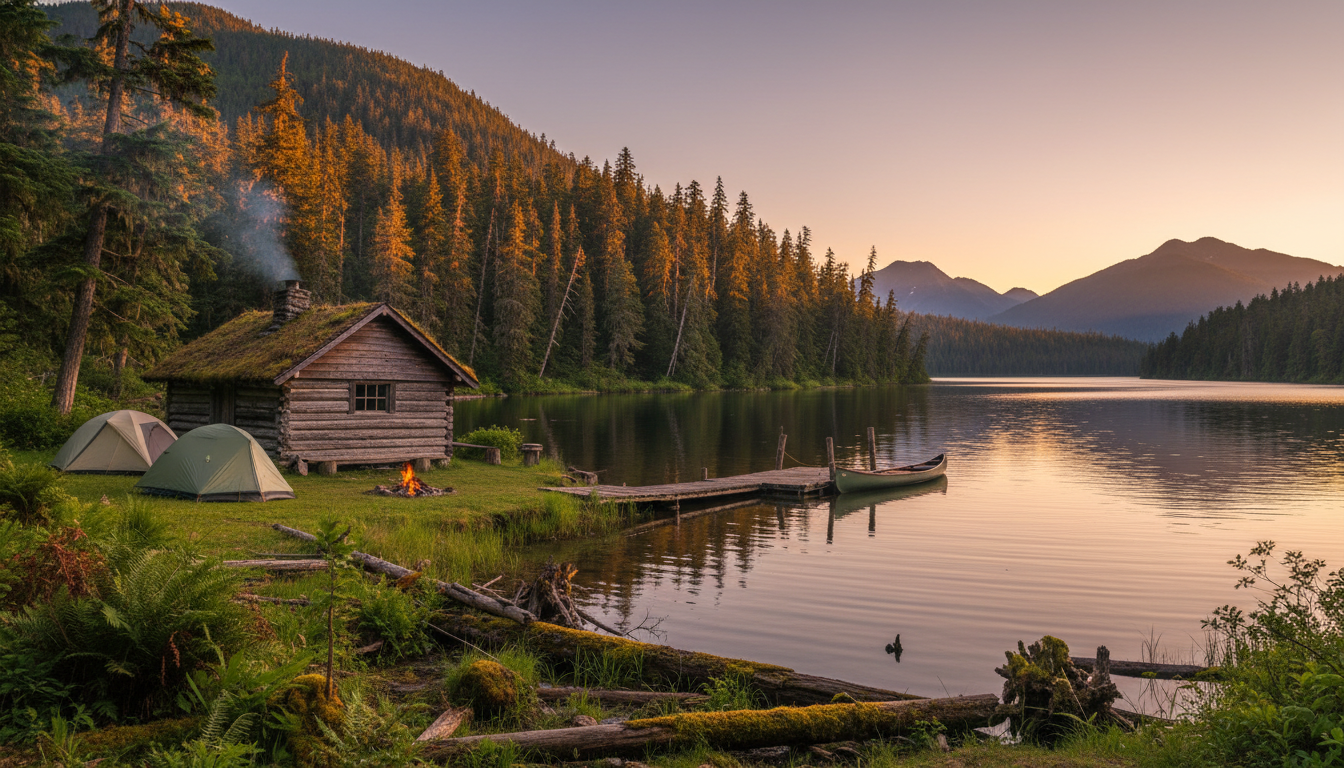
The vibe at Devils Elbow Cabin is defined by the rhythm of the tides and the whispering winds of Kuiu Island. Located approximately 45 air miles from Petersburg, Alaska, this site is far removed from the modern world’s frantic pace. The cabin sits near a prominent bend in the waterway—the “elbow”—where the landscape shifts from dense hemlock and spruce forests to sprawling salt marshes. It is a place where the air smells of salt spray and cedar, and the only traffic you are likely to encounter is a passing pod of whales or a skiff navigating the intricate channels of Rocky Pass.
Because this is a wilderness cabin rather than a traditional drive-in campground, the atmosphere is one of total self-reliance and serenity. You won’t find buzzing generators or crowded paved loops here. Instead, you will find a landscape that feels unchanged for centuries. The cabin provides a sturdy basecamp for exploring the intricate coastline, and while it offers protection from the elements, it keeps you intimately connected to the wild surroundings. If you enjoy the seclusion of remote camping at Josephine Lake Cabin, you will find the coastal isolation of Devils Elbow equally captivating.
Campground Location
Address
Petersburg, Alaska
Coordinates
56.6436, -133.7217
Campground Facility: A Modern Wilderness Retreat
One of the most notable features of the Devils Elbow Cabin is its accessibility. Unlike many remote forest service cabins that require a steep hike or a difficult beach landing, Devils Elbow is designed with ADA accessibility in mind. The facility features a high-quality dock and a ramp system that allows those with mobility challenges to experience the deep Alaskan wilderness. The cabin itself is a classic hunter-style design, typically constructed with cedar or spruce, offering a large bunk area, a wood or oil stove for heat, and a sturdy table for preparing meals after a long day on the water.
The cabin is built to withstand the temperamental weather of the Tongass. High-pitched roofs and thick walls keep out the frequent rain, while large windows provide stunning views of the surrounding flats. Outside, there is often a dedicated area for wood storage and an outhouse that follows the same accessible design standards. While the cabin provides the structure, campers must bring their own sleeping pads, cooking gear, and lighting. It is a step up from tent camping but maintains that essential “off-the-grid” feeling that makes Tongass National Forest camping so special. For those looking for a similarly structured but geographically distinct experience, exploring the Eagle Glacier Cabin facilities can provide another excellent perspective on forest service architecture.
Available Activity: Fishing and Boating the Elbow
The primary draw for most visitors to Devils Elbow is the world-class water-based activity. The cabin provides unparalleled beach access, which serves as a launching point for sea kayaks, canoes, and motorized skiffs. Navigating Rocky Pass requires a keen eye and a solid understanding of the tides, as the water levels can change dramatically, revealing vast mudflats or deep, rushing channels. For those with the right skills, boating through these waters offers the chance to explore hidden coves and nearby islets that rarely see human footprints.
Fishing is another major highlight. The waters surrounding Kuiu Island are teeming with life. Depending on the season, anglers can target various species of salmon, including Silver (Coho) and Pink salmon as they move through the pass. Bottom fishing for halibut is also a popular pursuit in the deeper waters nearby. The ability to fish directly from the shore or a small boat and then return to the warmth of the cabin to cook the day’s catch is the quintessential Alaskan dream. The proximity to the water makes this site far more dynamic than inland alternatives like staying at Signal Creek Campground, which offers a more traditional lakeside vibe.
Amenities & Facilities: What to Expect
While the cabin is considered “high demand,” the amenities are intentionally rustic. Here is a breakdown of what you can expect during your stay:
- The Cabin: A single-room structure with wooden bunks (no mattresses) that can typically sleep 4 to 6 people.
- Heating: A stove is provided, but users must often provide their own fuel (usually #1 heating oil) or gather dead-and-down wood, depending on the specific stove type installed.
- Water: There is no treated water on site. Visitors must bring their own water or be prepared to treat water from local sources, though coastal locations can make fresh water gathering a challenge during dry spells.
- Sanitation: A vault toilet (outhouse) is located a short distance from the cabin.
- Accessibility: As mentioned, the ADA-compliant ramp and dock make this one of the most accessible cabins for those arriving by boat.
Wildlife Viewing and Sightseeing
Kuiu Island is famous for its high density of black bears. From the safety of the cabin or while quietly paddling the shoreline, visitors often witness these magnificent creatures foraging for shellfish along the beach or hunting for salmon in the streams. It is also a birdwatcher’s paradise; bald eagles are a constant presence, often seen perched in the high spruce snags overlooking the water. In the water, keep an eye out for harbor seals, sea otters, and the occasional humpback whale moving through the larger channels.
The sightseeing opportunities extend to the flora as well. During the late summer months, the surrounding meadows may burst with wildflowers, and the old-growth forest is a carpet of deep green mosses and ferns. The geological formations of Rocky Pass, with its intricate network of limestone and sedimentary rock, add a unique layer of beauty to the landscape that is vastly different from the glacier-carved valleys found elsewhere in the Tongass.
Best Time to Visit & Booking Tips
The best time to visit Devils Elbow Cabin is between late May and early September. During this window, the days are long, and the weather is generally more favorable for boating and outdoor exploration. However, because this is a coastal rainforest, visitors should always be prepared for rain and cool temperatures, even in July. If you are planning a trip specifically for fishing, check the local run timing for salmon to ensure you arrive when the fish are most active.
Demand for this cabin is exceptionally high. Reservations typically open six months in advance on a rolling basis, and they often sell out within minutes of being released. To secure a spot, you must be logged into the reservation system the moment the window opens. If you miss out, using a cancellation alert service is highly recommended, as it can notify you the second a spot opens up due to a change in someone else’s plans.
Frequently Asked Questions
How do I get to Devils Elbow Cabin?
Access is primarily by floatplane or boat from Petersburg or Kake. There is no road access. It is vital to coordinate with a local air charter or have a reliable vessel for the journey through Rocky Pass.
Is there cell service at the cabin?
Generally, no. This is a remote wilderness area. Visitors should carry a satellite communication device (like a Garmin inReach or Zoleo) for emergencies and to check weather updates.
Are pets allowed?
Yes, pets are allowed, but they must be kept under control. Remember that this is bear country, and pets can sometimes attract or provoke local wildlife.
Conclusion
Devils Elbow Cabin represents the pinnacle of the Alaska cabin experience. It combines the ruggedness of the Tongass National Forest with the unique coastal dynamics of Kuiu Island. Whether you are navigating the complex tides of Rocky Pass or simply sitting on the cabin porch watching the sun set over the salt flats, a stay here provides a deep sense of connection to the natural world. While the competition for reservations is fierce, the reward of waking up in such a pristine, silent wilderness is well worth the effort of planning and booking your trip today.

